

NSA How Swimming Supports Kids’ Physical and Emotional Development
With so many of today’s kids spending more time on their screens and less time getting the exercise they need, you, as a parent, may have wondered about the impact this could be having on an entire generation’s physical and cognitive development. So too did a panel of scientists, who compiled an overview of studies looking into youth activities, fitness levels, and strength. The report revealed measurable declines in children’s strength, coordination, and overall physical fitness, with fewer than one in five meeting recommended daily activity levels. And, in addition to being less active, the report also concludes that today’s children are, in many cases, physically weaker than previous generations, with low physical tone affecting how they move and play.
The sobering news continues. The report also notes that children with lower strength and motor competence are less likely to stay physically active and less likely to be motivated to join sports teams.
It is widely known that strength-building movements are a critical part of early development, yet they're often missing from children’s routines these days. This isn’t to say toddlers and tweens should be hitting the gym for immediate circuit training, but they do need consistent movement to build strength.
This is why swimming fits so well into a healthy, physically active lifestyle for our kids.
How Does Swimming Help a Child's Physical Development?
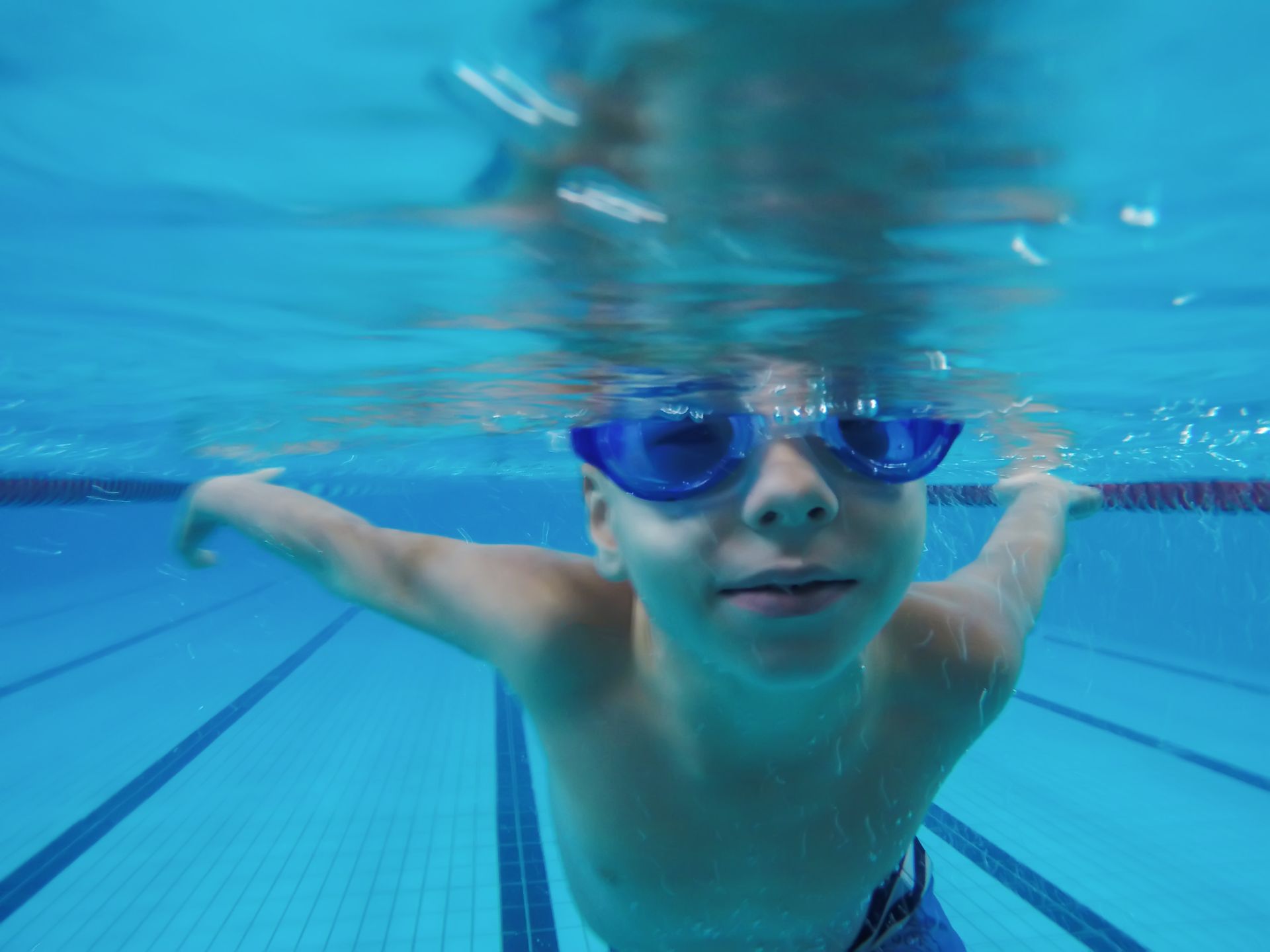
When kids are in the pool learning to swim, they’re naturally engaged in strength training. Their bodies are supported by the water, but they also need to exert some effort to stay balanced and buoyant. Unlike running on tough surfaces, which places intense pressure on joints, tendons, and growth plates, swimming provides resistance without the harsh impact.
Through consistent time in the water, children develop stronger gross motor skills, improved coordination, and better balance, while building the core muscles that support posture and overall stability. This is the foundation of the
physical development swimming offers.
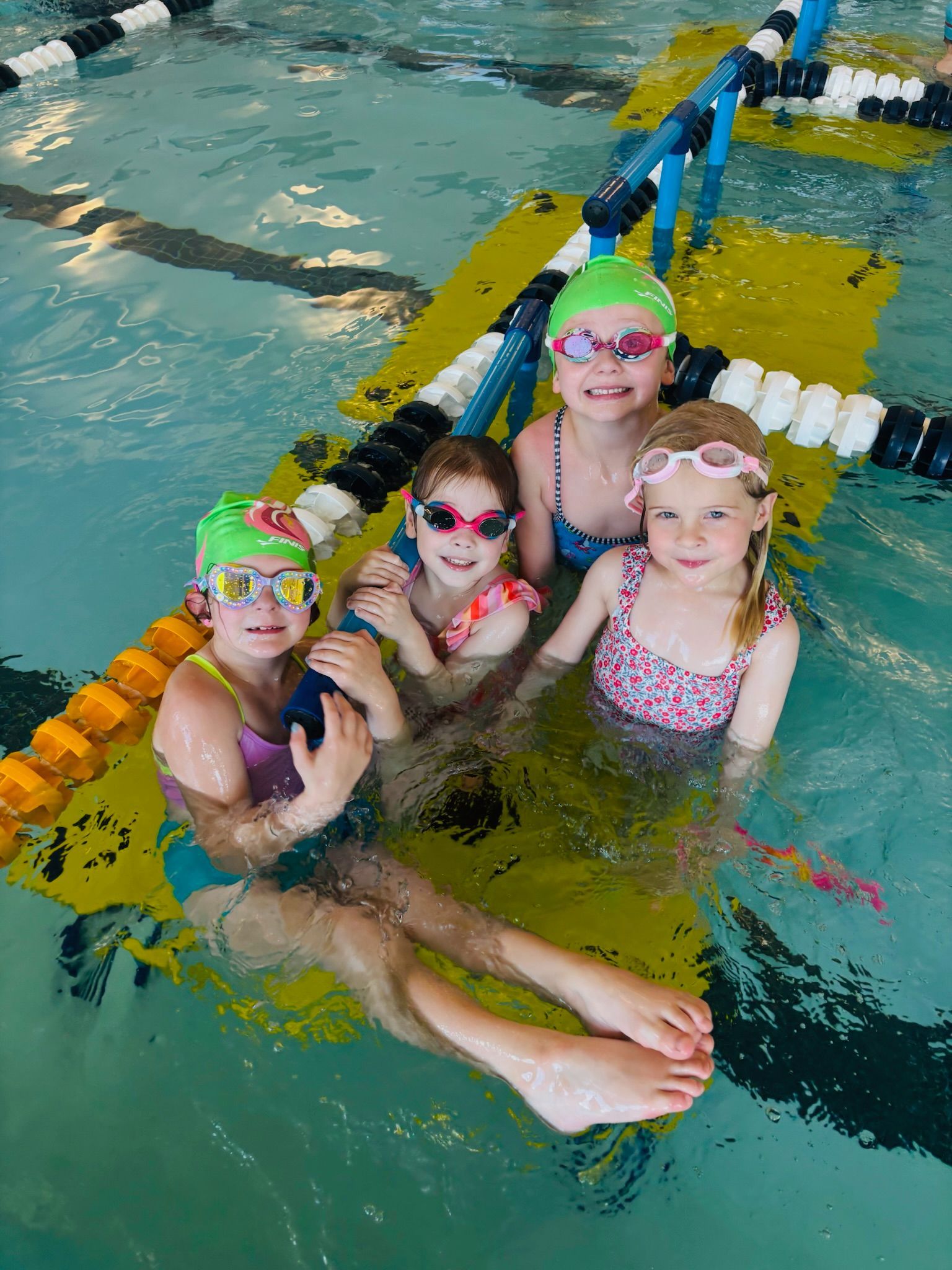
Kids’ swimming classes provide a uniquely effective solution to a growing problem: inactivity among today’s young children. At Nashville Swim Academy, we focus on helping children build strength and fundamental safety and technical skills, step by step, in a positive and encouraging environment, fostering a lifelong love of the water.
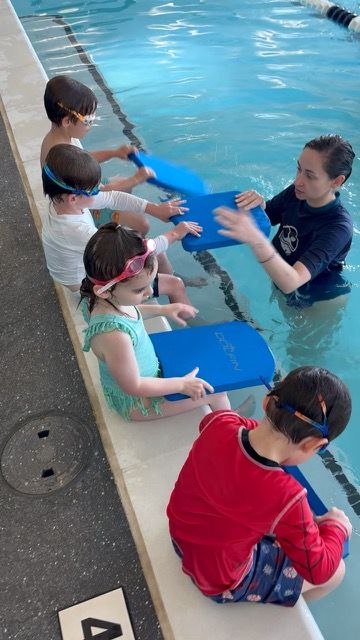
Through the structured, supportive
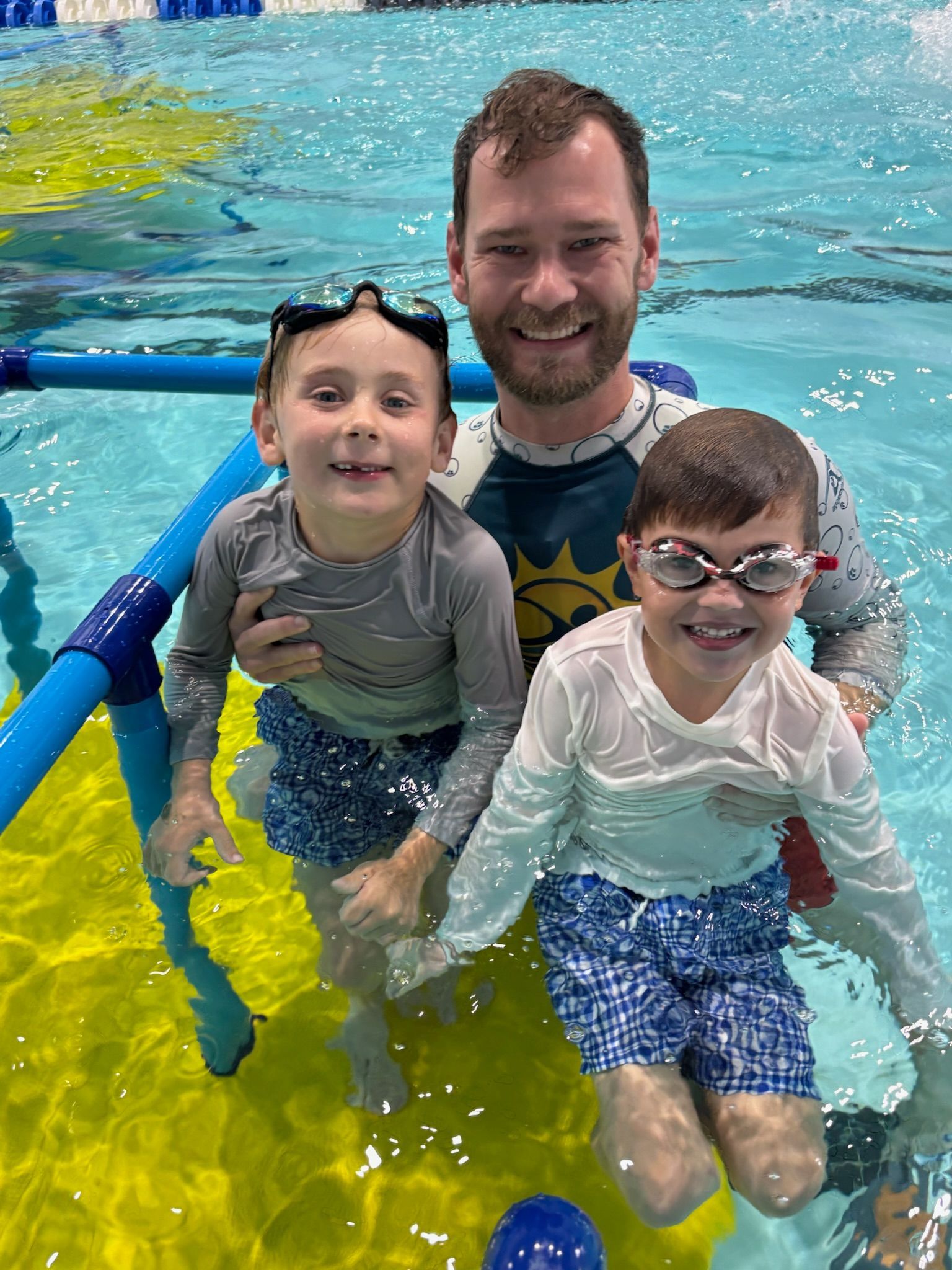
swimming classes for kids at NSA, where a low student-to-instructor ratio and a personalized approach set us apart, highly trained instructors foster a positive, attentive learning environment where children feel safe, seen, and encouraged to advance in their skills building.
Emotional Development and Confidence Building Through Swim
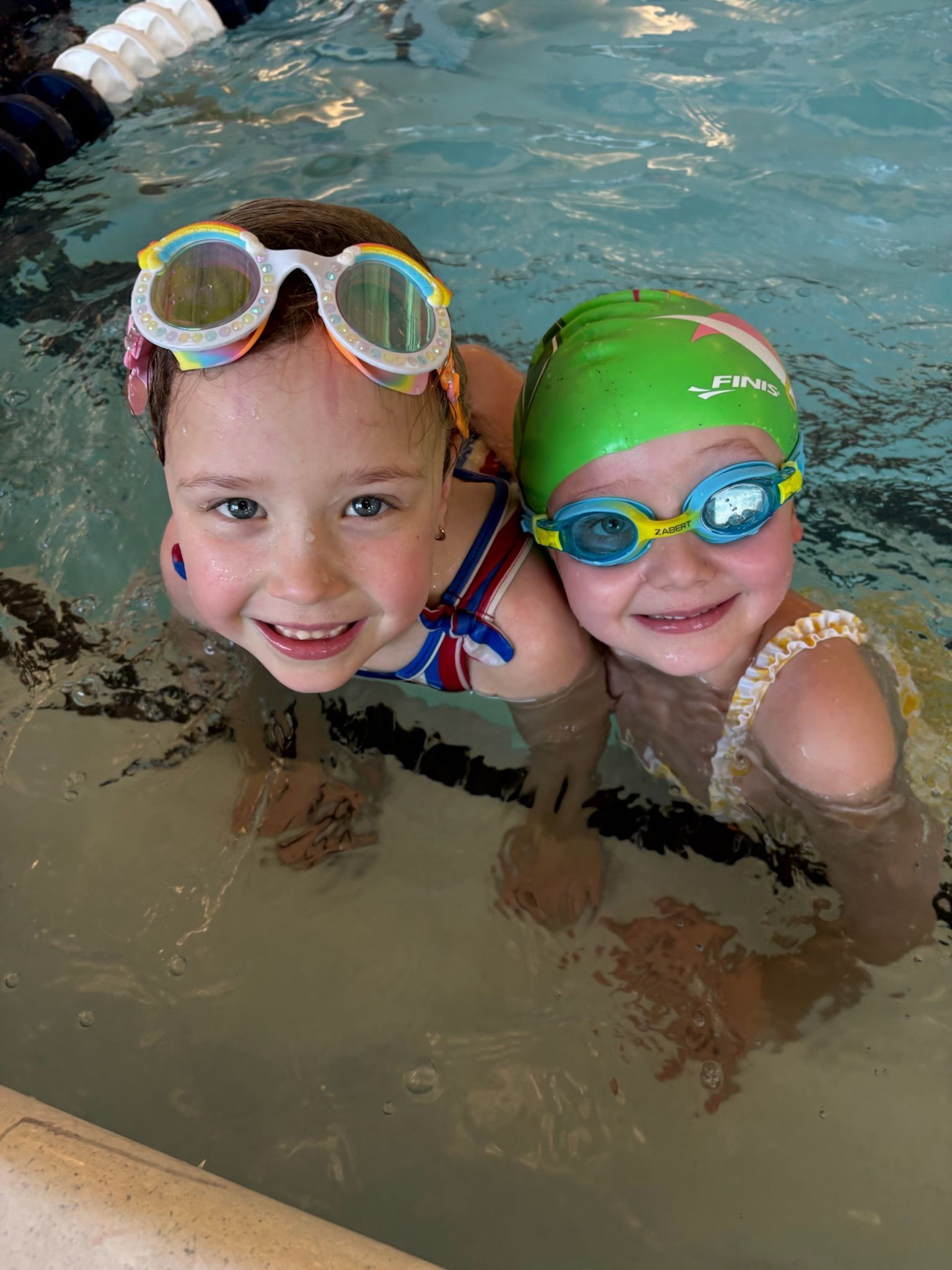
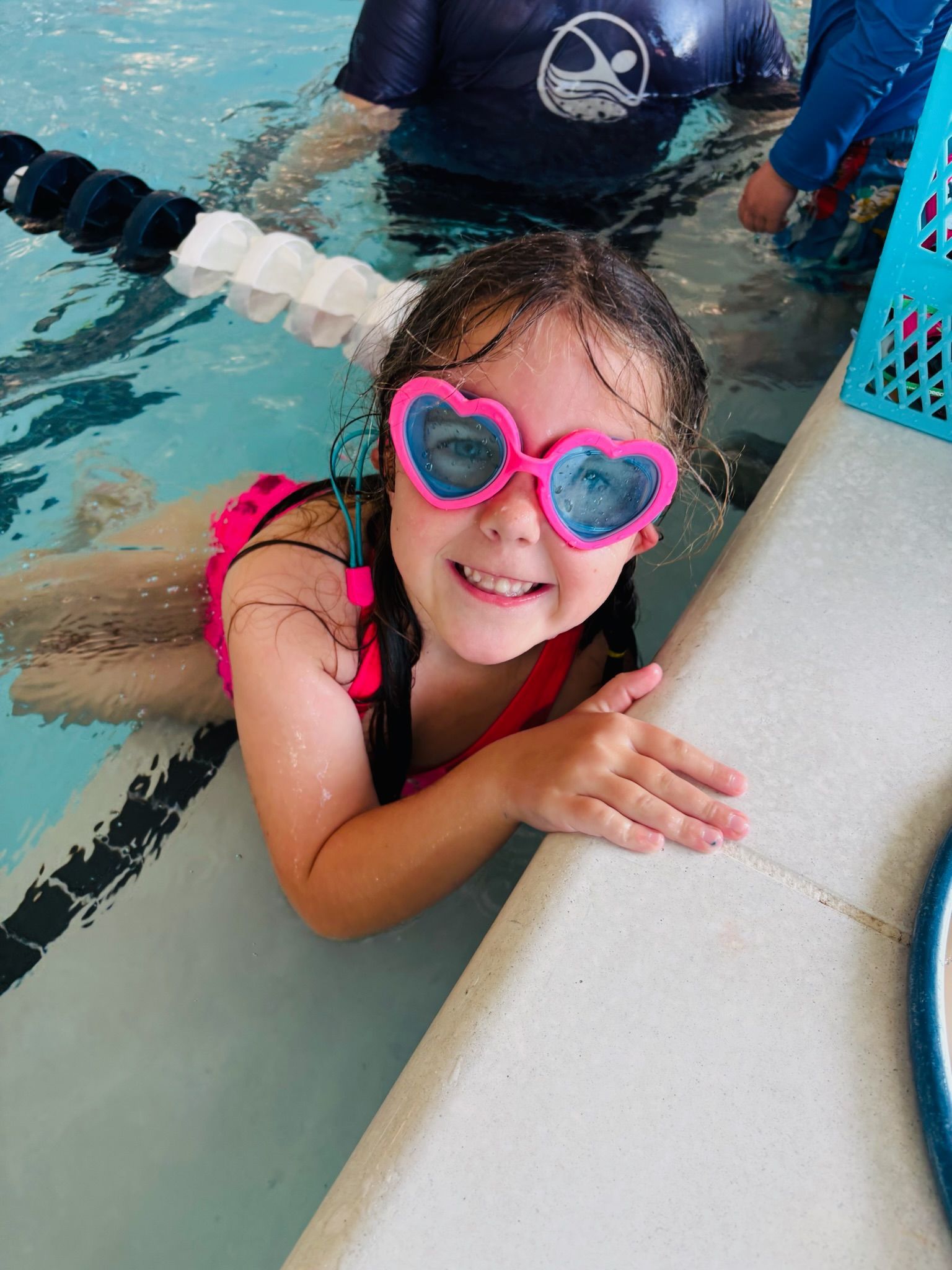
As children build these new skills, they also begin to develop greater confidence and self-assurance.
Research on youth swimming programs has found that children who participate in swim lessons show measurable improvements in both self-confidence and perceived ability. As they master skills like floating, moving independently through the water, rolling on their backs to breathe, and coordinating strokes with breathing, they experience a deep sense of accomplishment. These feelings build over time, so that a strong belief in themselves becomes part of a growing child’s toolkit.
When kids learn alongside their peers in swim classes, social and emotional development deepens.
Studies have shown that participation in swimming programs can be especially beneficial to children who may feel less confident in these settings. The supportive nature of our swim lessons allows children to develop skills at their own pace, reducing pressure while still encouraging growth.
Feeling capable and secure in their abilities often helps children feel more comfortable in group environments, strengthening social connections and fostering a more positive view of sports and physical activity.
Socialization, Resilience, and Well-Being
Regular swimming lessons help children build resilience, improve focus, and develop greater emotional balance. Eighty-four percent of parents say their child's mood improves after a swimming lesson, with many noticing increased self-esteem and emotional well-being.
Swimming also supports overall well-being by helping children regulate stress and anxiety. The rhythmic nature of movement in the water, combined with guided instruction, can promote a sense of calm and focus. Many parents report that children leave lessons feeling more relaxed, more positive, and better able to concentrate. Improvements in focus and attention have been linked to
greater engagement in school, while increased confidence supports stronger, more positive social interactions with peers.
Swimming Is More Than “Just a Sport”
The importance of swimming in the development of physical fitness can’t be overstated. Swimming stands apart as the only sport that provides lifesaving skills, reduces the risk of drowning, supports gross motor skill development, and benefits kids’ general health, mental health, and social development. For all these reasons, swimming is widely regarded as an essential life skill that goes beyond the athletic realm.
At NSA, we offer a program tailored to each child's needs, not to the parameters of a swim-level template. We place kids in classes based on age and skill level, and we’re highly attuned to their comfort in the water and how they feel when they’re approaching a new skill. Compassion, enthusiasm, support, and gentle encouragement all define our premier learn-to-swim program—one that contributes to the healthy physical and emotional development of every child.
Find the right swim class for your child at NSA and
enroll today!
Share Article