

Water Safety Starts at Home: Everyday Habits for Parents to Model
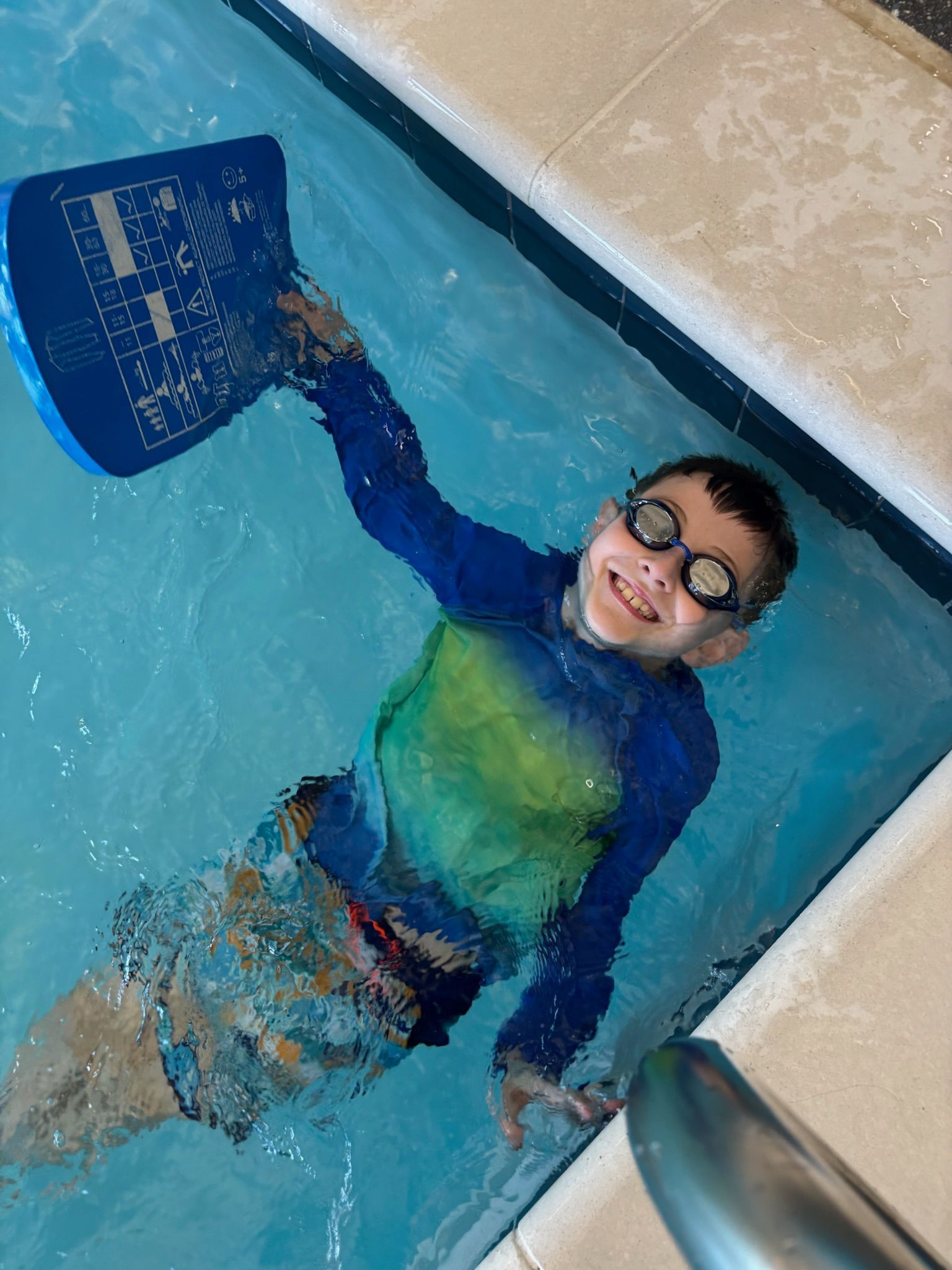
Observational learning is a process where young children watch and imitate the adults around them, developing behaviors, communication styles, and emotional responses more effectively by mimicking them than through direct instruction. This is what makes parental actions in the presence of kids so powerful. Children are like little sponges, taking everything in, processing it, retaining it, and repeating it.
When children see swim safety modeled consistently, they begin learning the fundamentals of the water long before they can explain them—building confidence, awareness, and a healthy respect that stays with them for life.
Simple at-home activities can help toddlers develop the readiness they need to transition into
swim lessons, or leverage what they’ve been introduced to in
f to enhance their skills development and awareness. A few mindful strategies can give kids the tools they need so that when they’re on the pool deck and preparing for
swim lessons or playtime, their environment feels familiar and they feel both confident and capable.
At Nashville Swim Academy, safety before swim is a two-part process: information young children pick up at home, and the instruction they receive at the pool before entering the water. And just as children learn to look both ways before crossing the street, by talking to your kids about water safety at home, you can instill habits that are vital to their well-being from the start.
Why a Holistic Approach to Water Safety Matters
According to the CDC, drowning is the number one cause of injury-related death for children ages 1 to 4 in the United States. When you teach young children the rules of water safety early, you’re equipping them with an understanding of the required behaviors in and around water—rules like ‘never enter the water without adult supervision, never swim alone, and no roughhousing in water.’
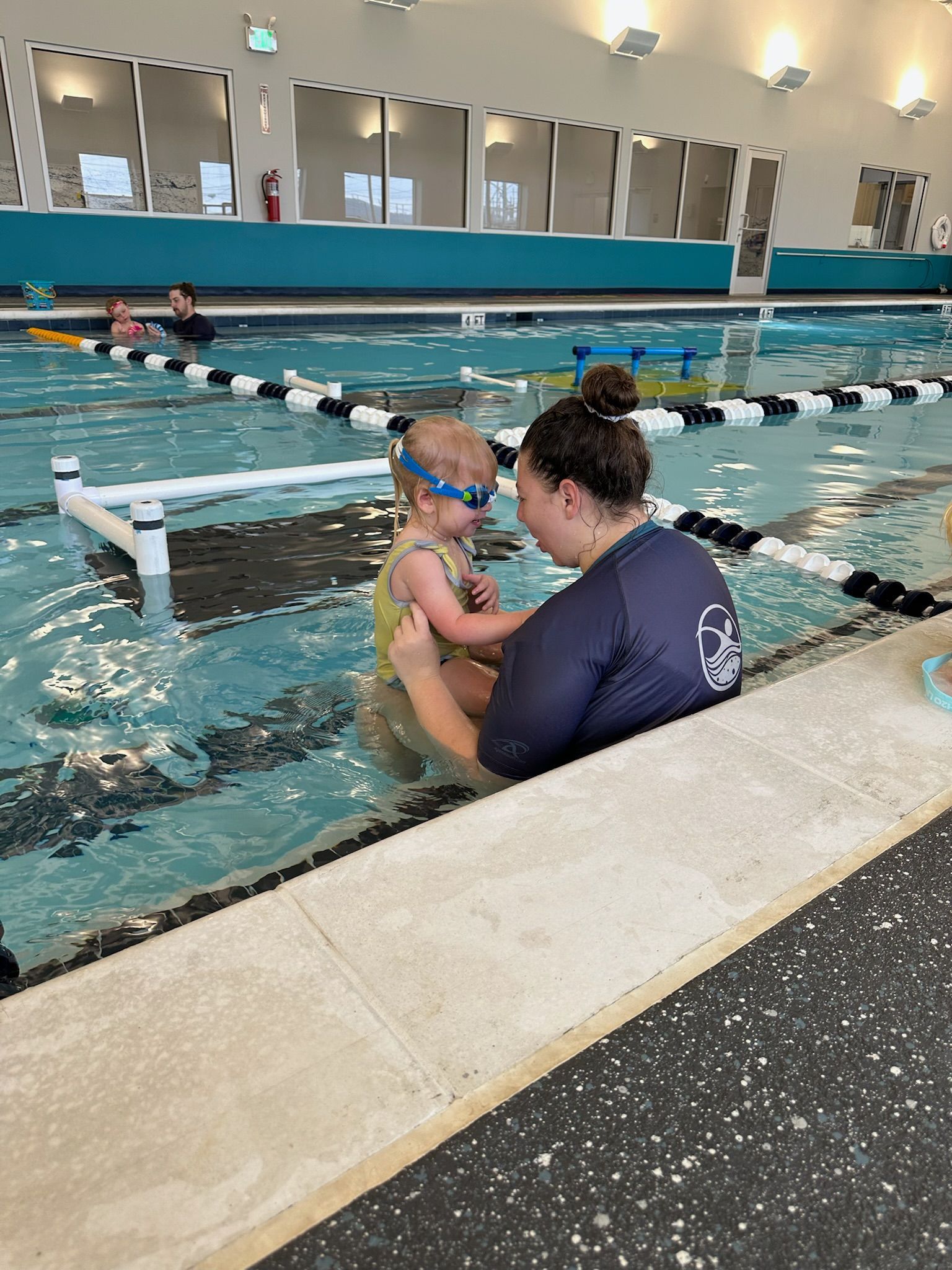
We encourage parents to turn certain home-based activities into swimming safety lessons when they can. During bathtime, for example, certain activities can help your child understand how their body feels in water. You can help them acclimate to the feel of water on their face by pouring a gentle stream of water from a cup over their head. Fun fact: newborns innately hold their breath when water touches their face. This is called the Mammalian Dive Reflex, which is strongest at birth and gradually fades between six months and one year.
As early as six months, you can start teaching your child to float on their back in the tub while supporting their head and body. This simple activity helps them develop balance and buoyancy skills and shows them they can breathe (instead of holding their breath) while on their backs in water.
By 12 to 18 months, you can introduce more advanced activities, such as independent floating and breathing, to refine their balance and buoyancy skills—always with close supervision; never leave a child alone in the tub, regardless of how proficient they seem.
Make bathtime even more fun by singing songs while your child floats to reinforce trust, confidence, and of course, safety. If your tune begins while they’re floating on their back, and ends when they sit up, your child will understand that floating has a beginning and an end.
While your child is in the tub, the context around water safety makes it easier for them to understand the importance of following the rules. You can explain in an age-appropriate manner that just as they never enter the tub or take a bath without your supervision, the same goes for the pool at the park, a friend’s backyard pool, or even a small kiddie pool. Reiterate that when they’re entering the water, feet-first is safety-first. Water safety never takes a break, and rules must always be respected.
Over time, water safety rules kids see and learn will transform into self-regulation. Your child will instinctively know never to enter the water unless you, a caregiver, or another adult gives them the go-ahead, and never to behave recklessly when playing in the water.
What Are the Three Top Rules of Water Safety?
Safety organizations agree that the three top rules of water safety are as follows:
- Provide constant, active adult supervision, or “touch supervision” for toddlers, by staying within arm’s reach of your child.
- Young children, non-swimmers, or weak swimmers should always wear a U.S. Coast Guard/nationally approved life jacket or personal floating device (PFD) while in a boat, around lakes or any other natural water source.
- Teach kids to swim early! Early, year-round swimming lessons build vital safety skills, proficiency, and confidence in the water. Early swim lessons boost coordination, social-emotional development, and they set a strong foundation for fitness and cognitive growth.
Other Swimming Pool Safety Tips
Here are some more important
swim safety tips from NSA:
- Backyard pools should always have a four-sided fence, lock, and alarm. Don’t leave it up to children to stay away from a pool with no safety barriers because for many, this is simply an invitation to explore.
- Not all floatation devices are safe. Around-the-waist puddle jumpers and “floaties” are not true floatation devices and can promote a forward-leaning position that can end up with a child’s face in the water. The safest flotation device is a properly sized, Coast Guard-approved life jacket.
- Pool noodles, while a fun floating device, are no replacement for life jackets and parental supervision.
- Remove toys from backyard pools so kids won’t be tempted to reach for them and fall in, and empty kiddie pools after playtime.
- Assign a “Water Watcher” at pool parties or during gatherings at lakes.
- Always enforce a “no running, no roughhousing” rule on pool decks.
- Also point out “no diving” signage and enforcement in shallow areas and encourage a “feet-first” approach.
To help children internalize water safety, check online for materials you can print off that depict pool safety. Go over these materials with your children to reinforce different aspects of the issue. Point out the different safety symbols, explaining what they mean, and ask your kids to explain to you, through the pictures or line drawings on the printed materials, what rules apply where, which swimmers are following them, which ones may not be and why they need to correct their behavior.
When it’s time to visit the pool, your kids will be excited and proud to put everything they’ve learned with you into action.
Build Vital Water Safety & Swimming Skills atNashville Swim Academy
By enrolling your child in year-round swim lessons at Nashville Swim Academy early, you can ensure they are equipped with the protocols and practice they need to stay safe around the water and the swim skills they can rely on to manage any aquatic environment.
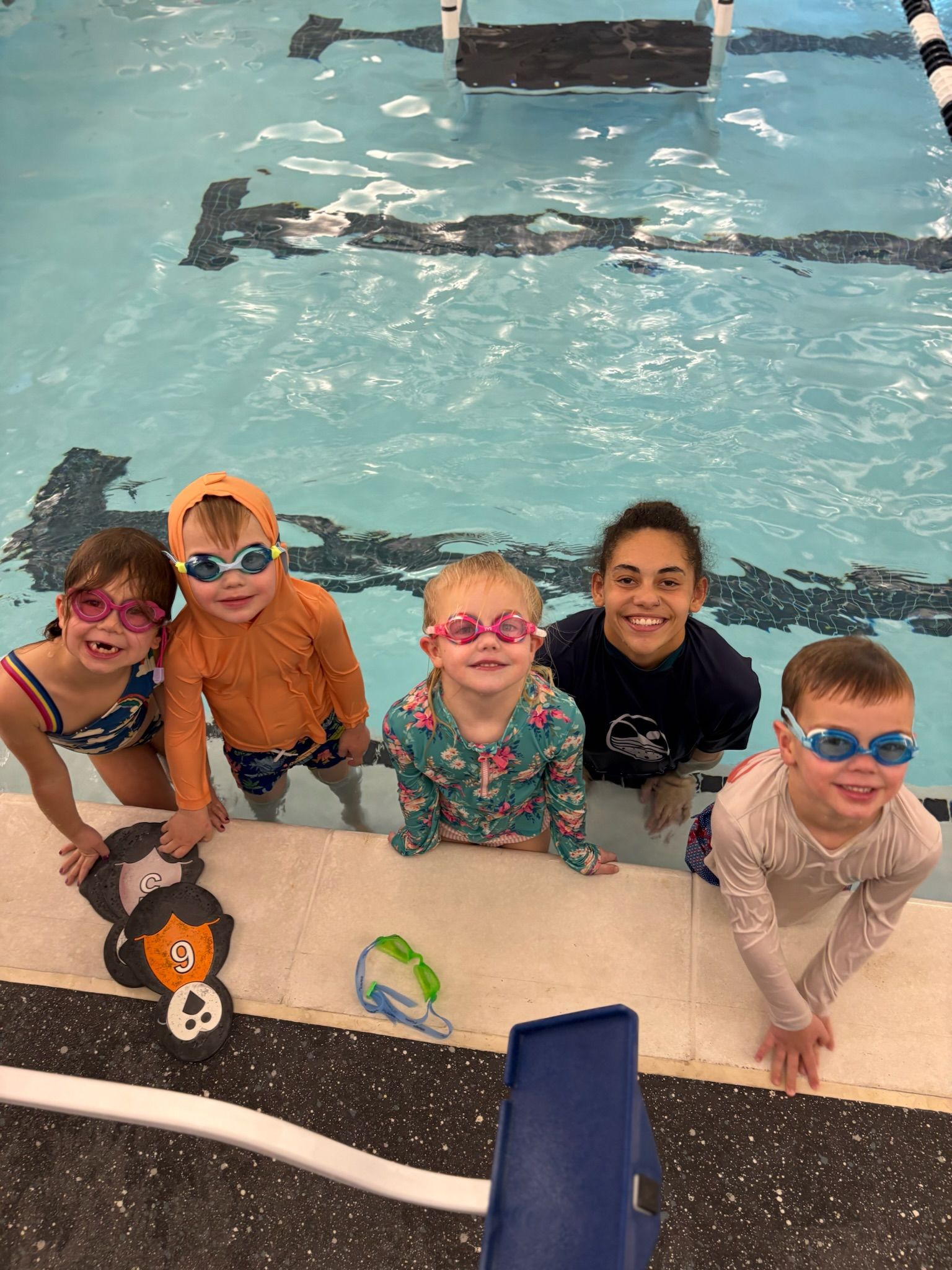
We are Middle Tennessee’s premier learn-to-swim program and have seen thousands of kids advance through our FUNdamentals, SAFEty, and TECHhnique levels. With an elite team of professional swim instructors, consistent positive exposure to water safety and skills development, small class sizes, and an adaptive learning philosophy, we set the stage for a lifelong love of the water.
Find the right swim class for your child at Nashville Swim Academy and register today!
Share Article