

Parent Resources: Preparing for Your First Swim Lesson at NSA
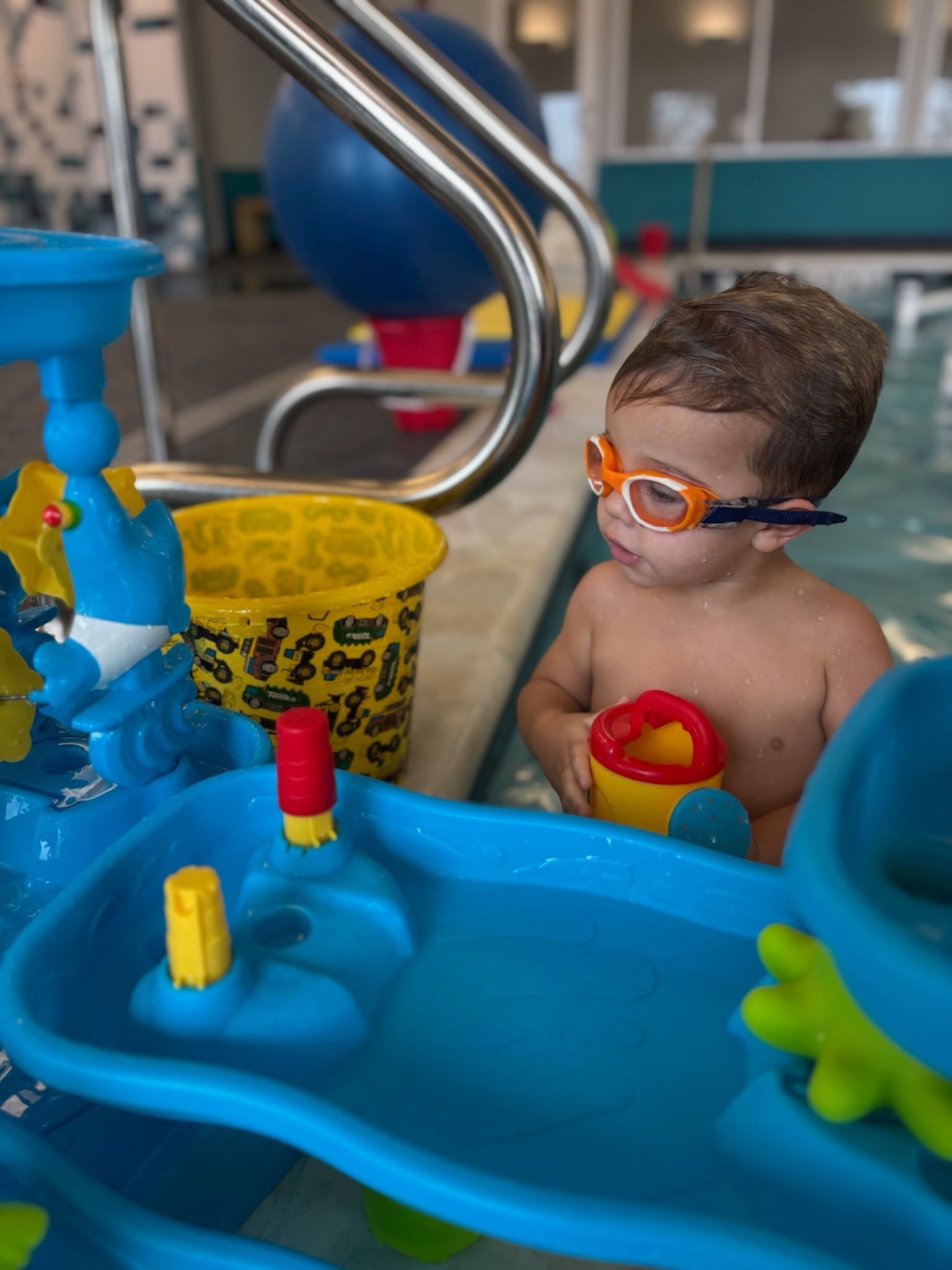
Teaching your child how to swim is one of the most meaningful gifts you can give. Swimming proficiency is a lifelong skill that offers countless “ripple” benefits. Kids who learn how to swim build confidence and independence at an early age, along with a healthy respect for the water and important safety rules in and around the water.
AtNashville Swim Academy, we guide our learners toward building a positive and safe relationship with the water from day one. Parents searching for
swim lessons in Nashville will find a supportive, developmentally focused program where children of all ages can progress at their own pace.
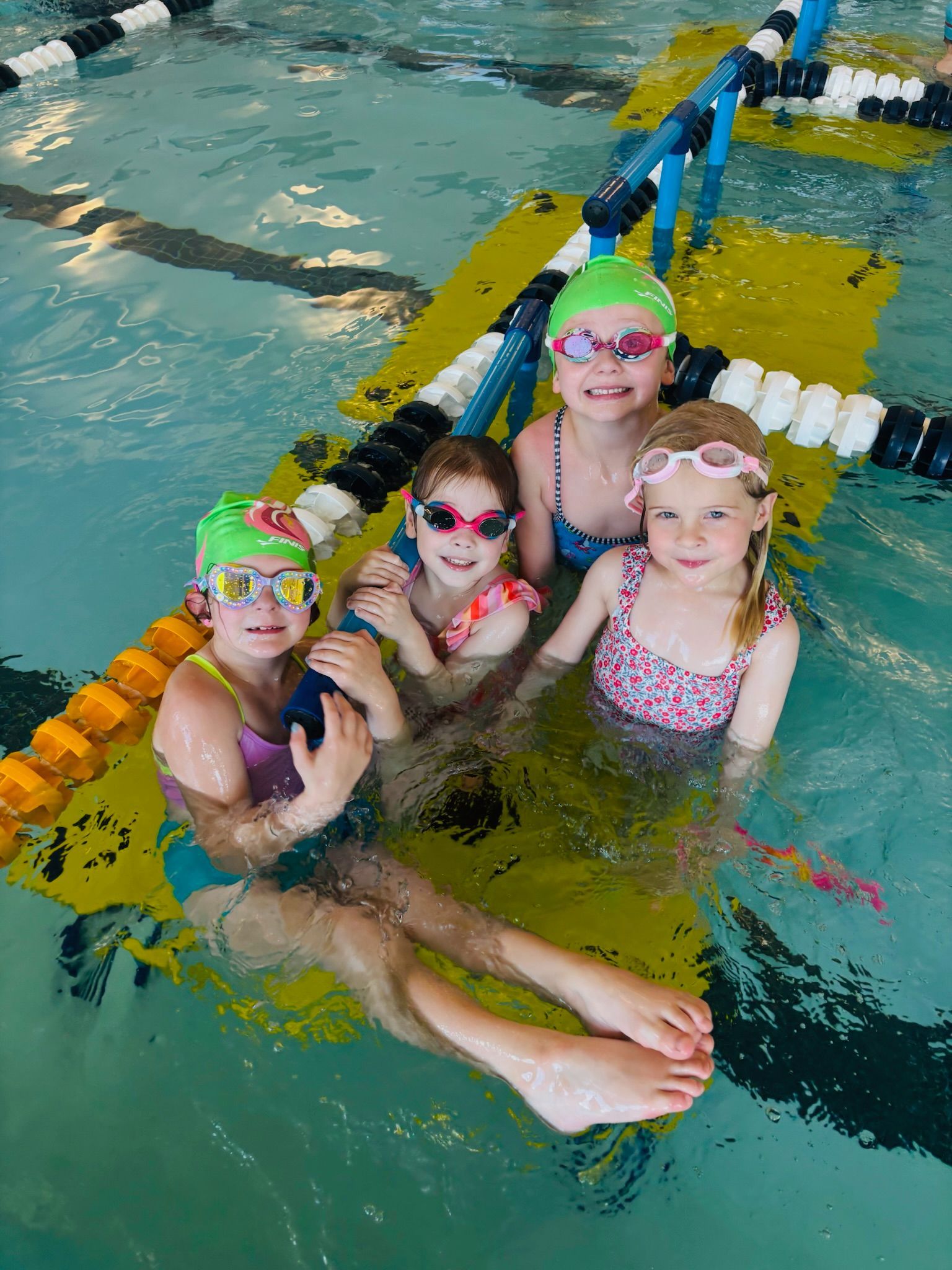
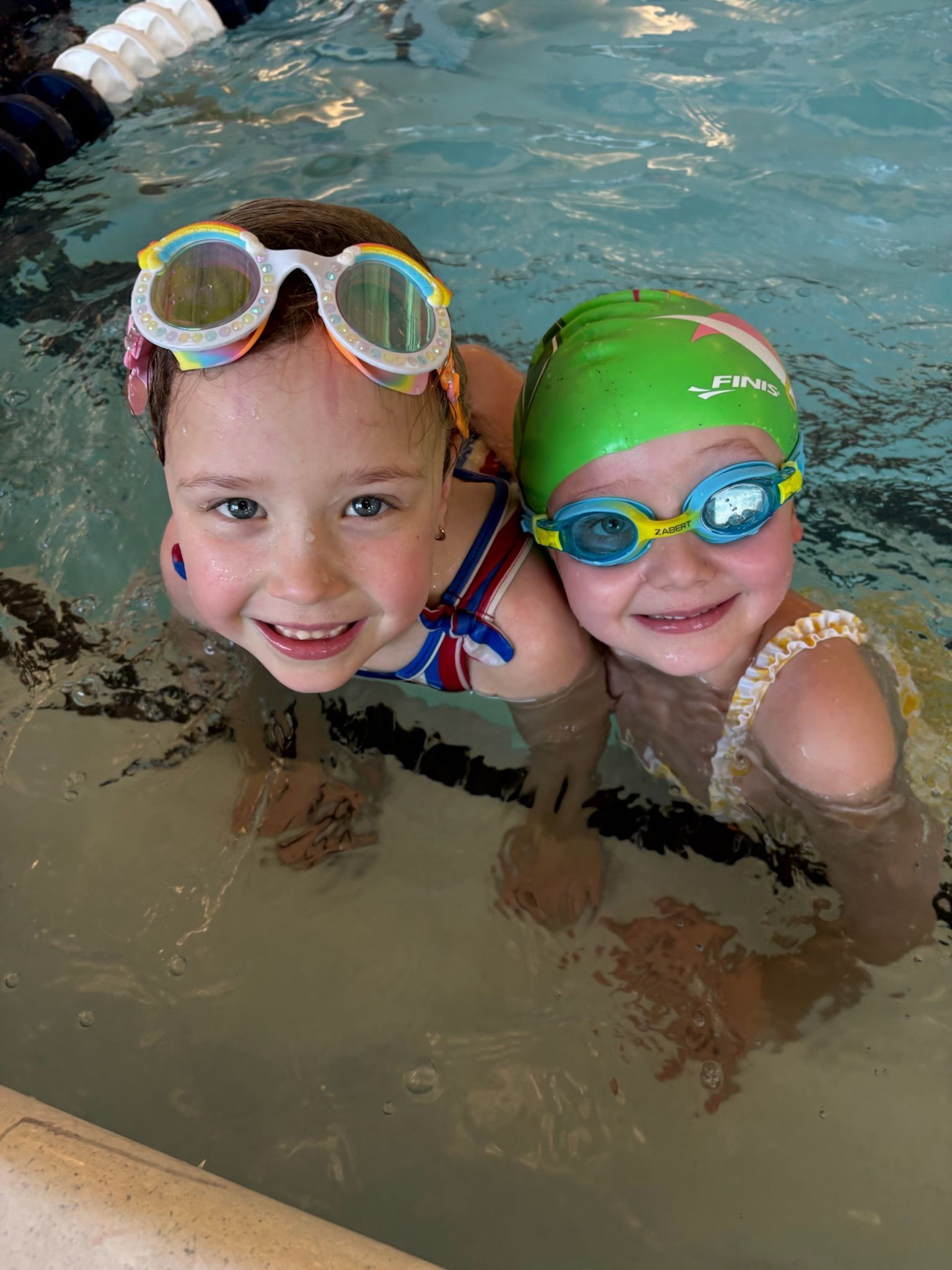
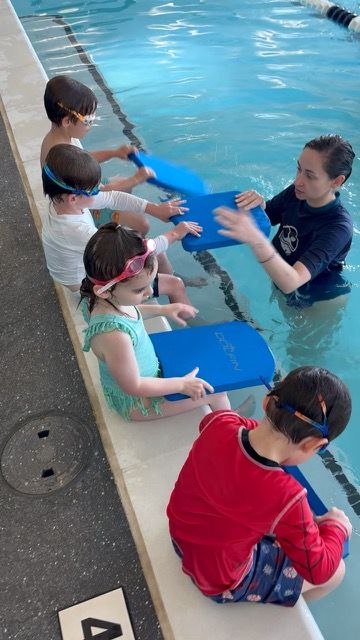
In the pool area, this begins with an encouraging and enthusiastic environment that lets your child know we’re excited to welcome them to our program. Our instructors are highly trained professionals who are passionate about what they do, and they understand how to meet their learners wherever they are in their skill set—from those entering the pool for the first time to those returning and advancing in their classes.
For more than a decade, we’ve had the privilege of playing a central role in developing and honing water safety, swim skills, and stroke technique among hundreds of kids as they’ve made their way through our program.
So, while we continue to model the very best in water-awareness protocols and convey a sense of excitement and anticipation about learning to swim, there are a few things you can do to prepare your child for their first class at NSA.
How to Prepare for
Swimming Lessons at Nashville Swim Academy
The following is a guide to helping your child build foundational swim skills, acclimate to the feeling of wading and floating in water, anticipate the muffled sounds water produces, and begin
preparing for swimming lessons through breath and movement. These simple steps can help your little swimmer start with confidence.
Step 1: A Deep Dive Into SAFEty
Before your child’s first NSA lesson, develop a “safety script.” Establish clear, consistent water safety expectations well before your child’s first lesson.
Use this same short safety script every time you head to the pool, so important rules are easy to remember and follow. Here are some pointers to help you tailor your “swim speech.” Always remind your kids to:
- Put on your listening ears for Swim because instructors and lifeguards are there to keep you safe.
- Never swim without a grownup’s eyes watching you. Buddy up because we never swim alone.
- Expect adult supervision until they reach the required proficiency.
- Use “walking feet” in the change rooms.
- Never push, pull, dunk, or wrestle in the pool, and be sure to keep flippers to yourself while swimming.
- Use their swim gear appropriately.
Treat these pool rules like you would car seat or street crossing rules: they’re in place for a reason, and they’re non-negotiable.
Step 2: Splashy At-Home Activities — Preparing Your Child for
Swim Lessons
These fun, low-pressure activities help children build foundational skills for extra confidence during lessons:
- The Breath Control Game: Practice taking big breaths to prepare for going underwater. Ask your child to breathe in through their nose with their lips closed, like they’re smelling a rose. Practice holding it to a count. Then have them exhale like they’re blowing out birthday cake candles. Encourage your child to hold their breath a little longer each time until they reach a reasonable count.
- The Nose Exhale Game: Practice blowing air out through the nose. Have your child take a deep breath in through the mouth, close their lips, and hum. This forces air out through the nose, a skill they can turn to whenever they need to clear out residual water that can feel uncomfortable.
- The “Speaking Whale” Game: This is all about acclimating to underwater sounds and to water on the ears. Pretend you’re Dory from Finding Nemo and “speak whale” underwater while your child turns their head to one side and places their ear in the water to listen.
- Red Light, Green Light: Play the kicking game. When you’re in the car, engage your kids in a little swim lesson prep! Get them to kick, kick, kick whenever you say “green light,” and to stop when you say “red light.”
- Bathtub Float: This helps swimmers develop balance and buoyancy in water. Have your child lie back in a tub filled with just enough water to create buoyancy. Help steady them on the water’s surface and show them they can breathe and float at the same time. Sing a song to signal the beginning and the end of the game and praise their success afterward.
These simple activities only take a few minutes a day, but they make a world of difference once your child steps into the pool. By turning new sensations into playful, low-pressure moments at home, you’re helping your little swimmer arrive at their first lesson feeling calmer, more familiar with the basics, and ready to learn.
Step 3: Taking the Plunge: Drop-Off Dos and Don’ts
A smooth transition from holding hands with a parent or caregiver to joining the instructor or the class sets the tone for a positive experience. Follow these simple guidelines to prepare for a frictionless process:
- Stay calm and confident: a calm caregiver equals a calm child.
- Don’t oversell the lesson: remain cheerful and matter-of-fact to keep anxieties at bay.
- Don’t fudge the truth: Let your child know you’re going to the pool and frame it positively to help build excitement and set them up for a successful experience—swimming is fun!
- Arrive on time but not too early: arriving 10 minutes before class helps keep emotions regulated and prevents the buildup of stress.
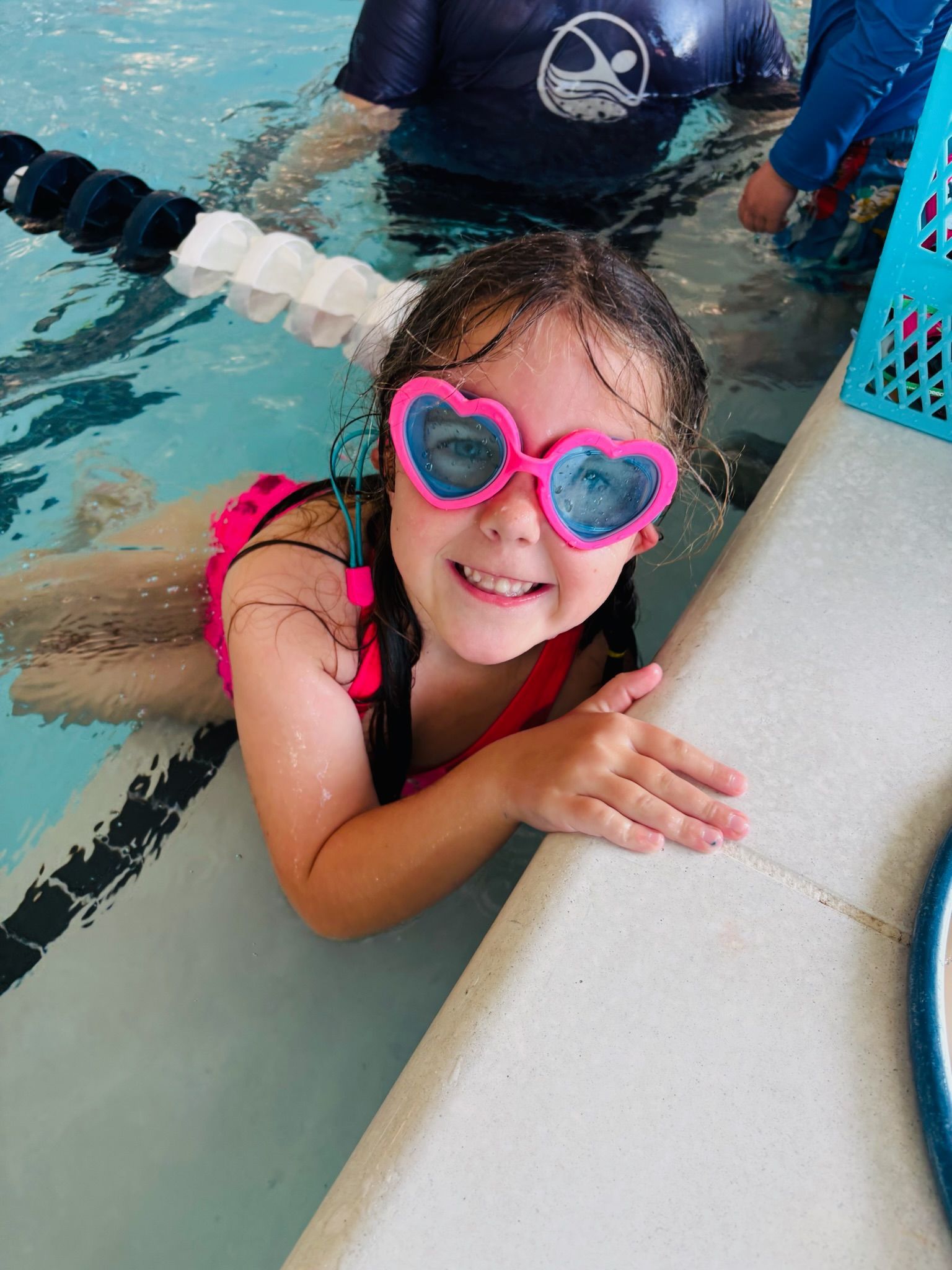
- A warm parting hug does wonders: a lingering parent can signal something’s up—instead, show trust by letting the instructor take the lead. If your child cries, just know this is normal and that our instructors are very skilled at turning tears to cheers.
With all these strategies and confidence builders in place, you can successfully prepare your child for their firstswim class at NSA. A combination of clear safety rules, playful at-home practice, and a calm and confident drop-off sets your child up for success and lays the foundation for a lifelong love of the water.
It’s Swim Time in Nashville
Our new facility is officially open! You can find us at 1105 63rd Ave N, Nashville, TN 37209. We can’t wait for you to experience the spacious pool and thoughtfully designed new amenities!
Findthe rightswim class for your child at Nashville Swim Academy. Use our
class finder tool to get started on developing your child’s lifelong love of the water. We look forward to welcoming you to the NSA family.
Contact us with any questions you might have.
Here’s a checklist you can follow for a positive first swim experience:
First Swim Lesson Checklist: Your NSA Prep Guide
Prepare For the Day
- Practice quick at-home warmups.
- Pack a swimsuit, towel, and any comfort items your child may want after class.
- Keep the conversation light and positive.
- Avoid overselling the lesson.
Before You Arrive
- Run through your water-safety script, keeping rules simple, clear, and consistent.
- Reiterate that your child can only enter the pool with a grownup’s permission.
- Remind your child that their instructor will be friendly, patient, and excited to meet them.
Arrival at the Pool
- Arrive about 10 minutes before class starts.
- Head inside with a steady and relaxed energy your child will mirror.
- Keep the transitions smooth: Check in, get settled without rushing.
Drop-Off
- Give your child a warm hug and positive reassurances for a confident hand-off.
- Avoid lingering on deck; it can make separation harder.
- Trust the process, even if your child cries initially (totally normal!).
- Let our instructors take the lead — they’re trained to turn uncertainty into confidence.
After the Lesson
- End the day with praise for bravery and trying something new.
- Celebrate your child’s effort and their success. We love little wins!
- Ask your child to tell you everything they learned so they feel a sense of accomplishment and build excitement for their next class.
Share Article