

When Big Emotions Meet the Pool: How We Support Young Swimmers
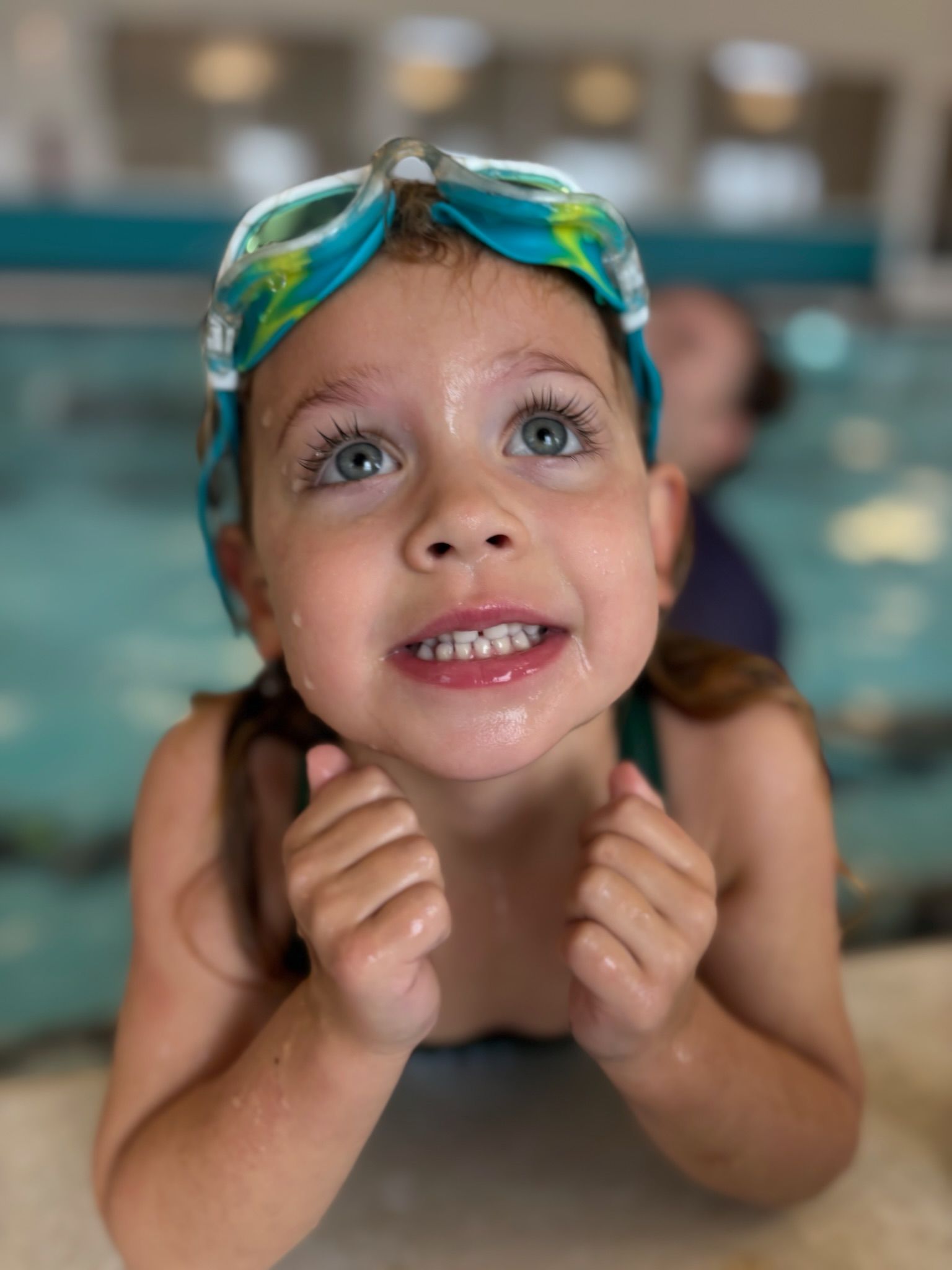
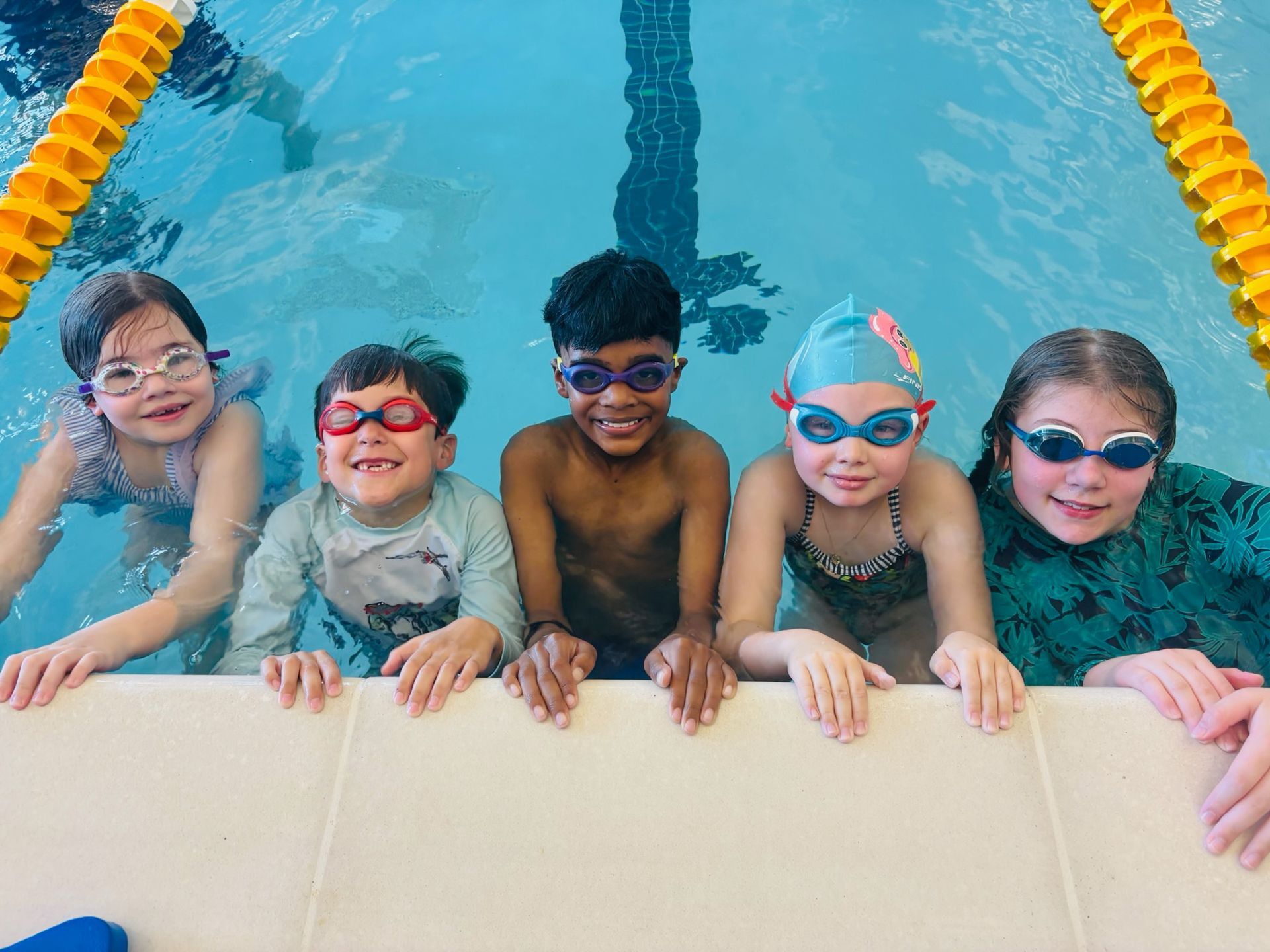
One of the greatest joys swim instructors experience is working in a profession where we pass our love for swimming on to the next generation every day. And with every child that comes through our doors at Nashville Swim Academy (NSA), we're reminded that learning to swim is about so much more than mastering foundational strokes.
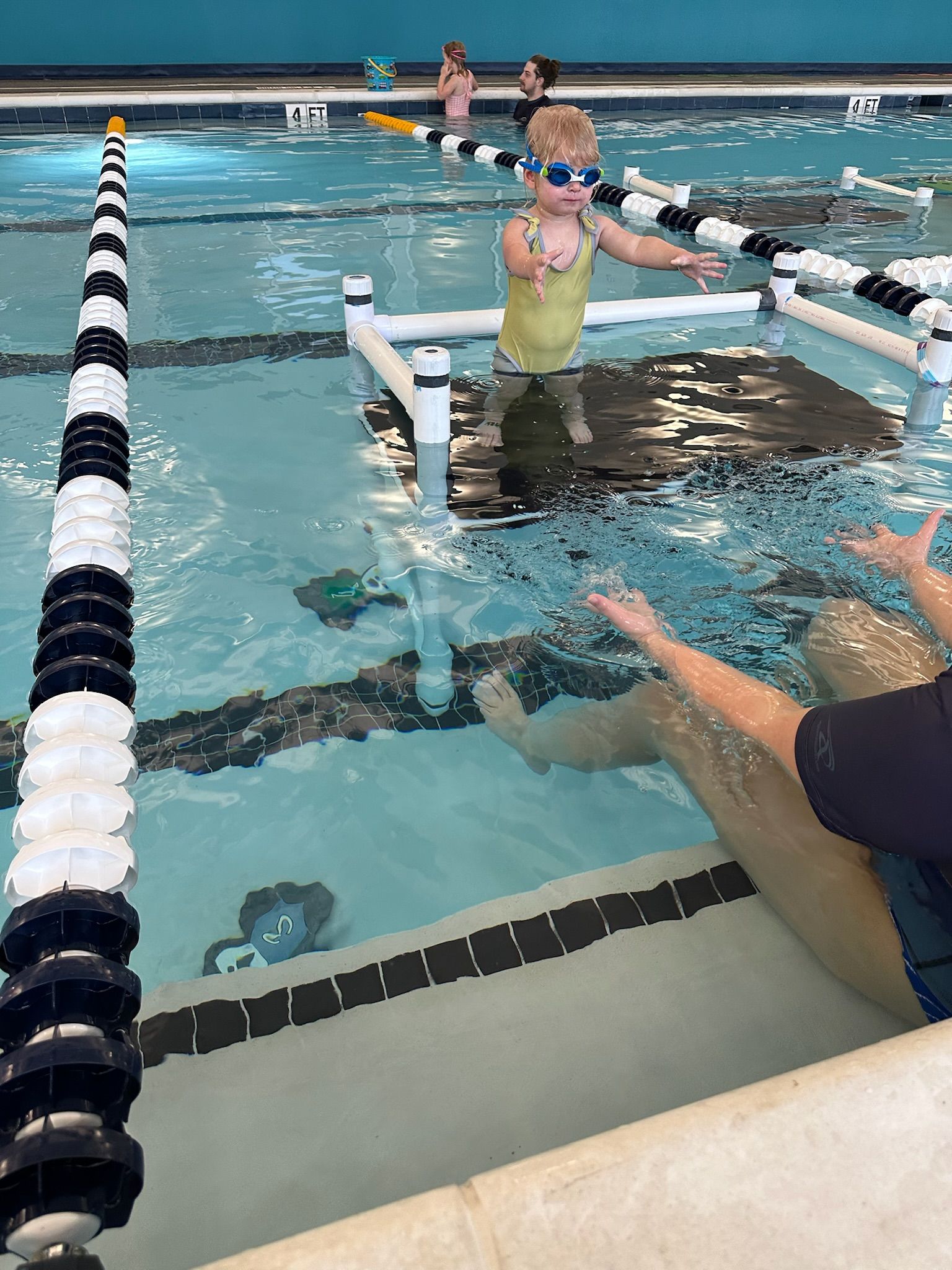
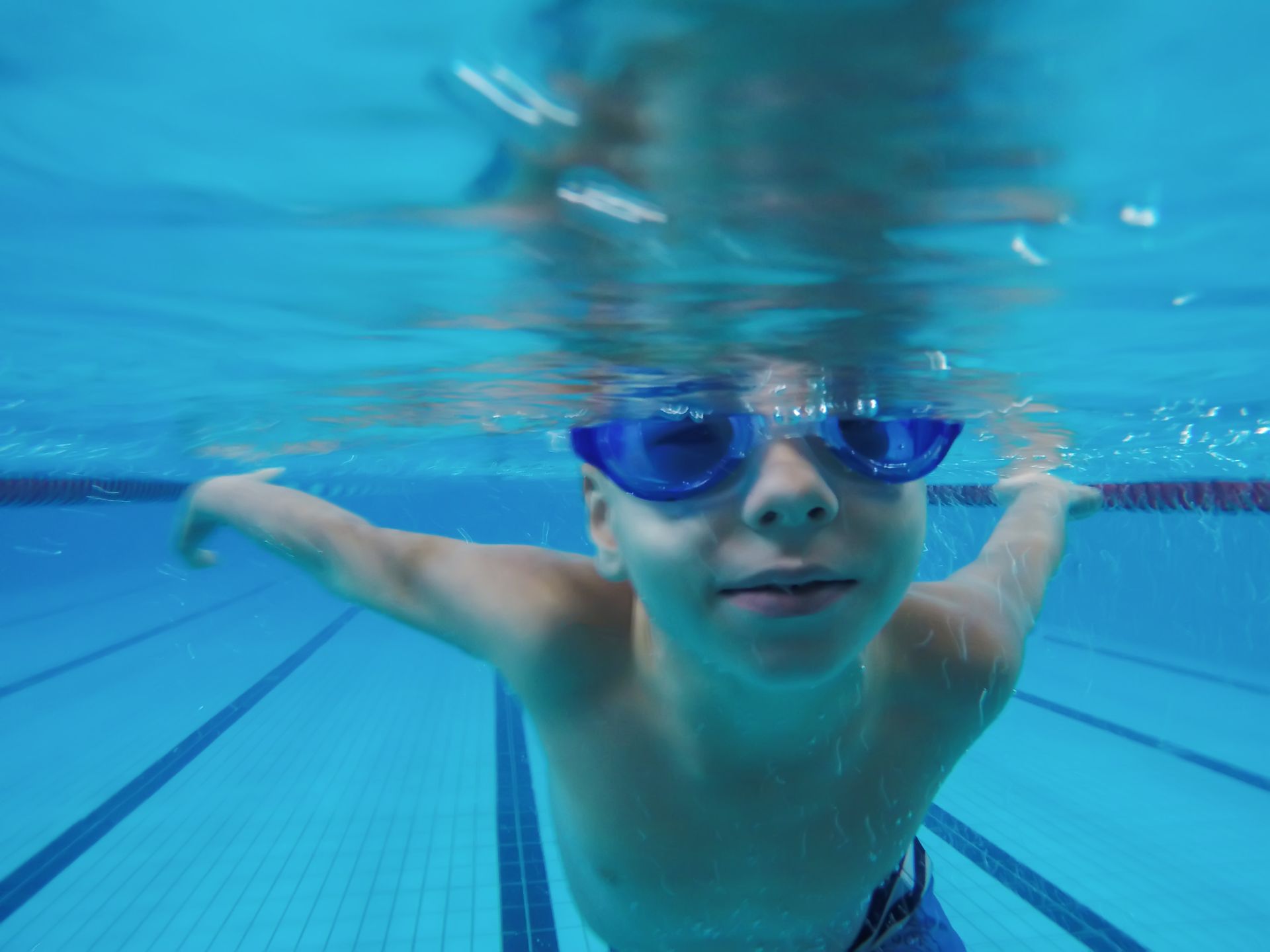
Through our Parent & Me classes, babies as young as four months begin navigating the water in a safe, playful environment that encourages sensory exploration, water safety, and movement. As children grow, so do the challenges they're ready to tackle. They learn to float, put their faces in the water, glide forward like Superman with their arms outstretched, and eventually coordinate the big arm movements that become confident swimming. Each new skill builds on the last, giving children repeated opportunities to discover they can do something that once might have felt impossible.
Of course, the journey from "new to the pool" to swimming confidently doesn't always follow a straight line. Some children arrive brimming with excitement. Others cling tightly to a parent's leg, unsure of what to expect. Still others move between anticipation and hesitation from one lesson to the next.
How to Manage a Meltdown Before Swim
We want parents to know that it’s completely normal for young children to resist, cry, or have a complete meltdown when situations feel unfamiliar or uncomfortable. But just as we learn as adults that we are not our feelings, when a child dissolves into tears before swim lessons because they’re feeling uncertain, validating the scenario and removing the child from the situation sends the wrong message.
At NSA, we firmly believe that a child’s feelings of being overwhelmed deserve recognition and empathy, but these feelings don't need to govern what happens next. With patient encouragement, calm guidance, and support from trusted adults, children discover just exactly what they're capable of: ultimately overcoming their fears, anxieties, or discomfort, and enjoying what initially felt too big.
It's also worth remembering that children often reserve their biggest emotional reactions for Mom (or Dad), because they’re comfortable with their parents. They're far more likely to test boundaries, express frustration, or have a meltdown with Mom than they are with another trusted adult in a teaching role. Once children are with an instructor who remains calm, confident, and encouraging, many settle far more quickly than parents expect.
Part of our philosophy with Swim is that some of childhood's most meaningful growth happens on the other side of a meltdown. So, rather than helping a child avoid every uncomfortable moment, when parents allow our instructors to work alongside them in helping their child move through those feelings safely and confidently, the child learns an important life lesson, which is that feeling nervous, frustrated, or unsure doesn't mean they have to stop and walk away. It means they have an opportunity to practice perseverance, build confidence, and experience the pride that comes from accomplishing something they thought they couldn't (or didn’t want to) do.
Children don't all respond to new experiences in the same way. Personality, previous experiences, anxiety, sensory sensitivity, temperament, and developmental stage can all influence how a child feels when they first begin swim.
Our professionally trained instructors understand that tears don't always mean a child isn't ready to learn. Sometimes they signal uncertainty. Sometimes they're the result of sensory overload or simply the challenge of trying something unfamiliar.
Learning to swim means supporting children through those moments with patience and an “I believe in you” approach. It's one of the reasons our
swim lessons program in Nashville, TN, has helped thousands of kids develop a lifelong love of the water for over a decade.
How Does Swimming Help With Emotional Development?
A recent systematic review of swimming and aquatic interventions in children and young people found associations between structured aquatic participation and improvements in self-regulation and confidence, and reductions in anxiety symptoms. The authors suggest these benefits stem from a combination of physical activity, skill mastery, supportive instruction, and positive social interaction in the water.
That sense of accomplishment in turn encourages persistence and strengthens self-esteem. It also helps many
young swimmers develop an ability to recover from frustration when a new skill takes more than one attempt. It’s not unusual to have to repeat a skill 10 to 20 times with our youngest swimmers. But we do, until each has mastered what we knew they could achieve, and then everyone celebrates a new milestone.
Every Child Learns Differently
Knowing how to swim and knowing how to teach children how to swim are two very different skill sets. Our instructors receive professional training that prepares them to understand child development and recognize individual learning styles without losing sight of the goal.
Rather than expecting every child to respond to the same teaching style, our instructors watch for cues that suggest a swimmer may be feeling overwhelmed or anxious, then adjust their approach accordingly. Skills are broken into smaller, more achievable steps so each child can experience success along the way. We slow the process to meet swimmers where they are emotionally, allowing their confidence to grow alongside their physical abilities. Every milestone is celebrated through a healthy balance of work and play. We're never in a rush, and we don't want our swimmers to feel rushed either. Through consistent reassurance, thoughtful instruction, and plenty of encouragement, children discover they're capable of more than they ever imagined—one small success at a time.
Why Consistency Builds Confidence in the Water
Our curriculum is intentionally designed to help children build skills progressively through our FUNdamentals, SAFEty, and TECHnique levels. Our lessons are organized by both age and ability, allowing kids to learn alongside their peers.
Consistent, year-round attendance allows instructors to build trusting relationships with their little swimmers while reinforcing familiar routines that reduce uncertainty and support emotional growth. It’s the kind of consistency that also creates
predictability. Knowing what to expect from each lesson, seeing familiar instructors, and experiencing gradual progress over time can help children feel more comfortable taking on new challenges.
Join Us in The Nations
Whether your child will be taking their very first splash in the pool or they’re refining advanced stroke techniques, every lesson at NSA offers a new opportunity to strengthen both skills and self-confidence.
If you're looking for a place where your child can
learn to swim in Nashville, our instructors are here to support every step of the journey. Our
kids’ swim classes in The Nations are designed to help every child feel safe, capable, and excited to discover what they can achieve, in the water and beyond.
Find the right swim class for your child at NSA and
enroll today.
Share Article